
Oil Skimmer for Automotive Manufacturing: A Simple Fix for a Costly Shop-Floor Problem
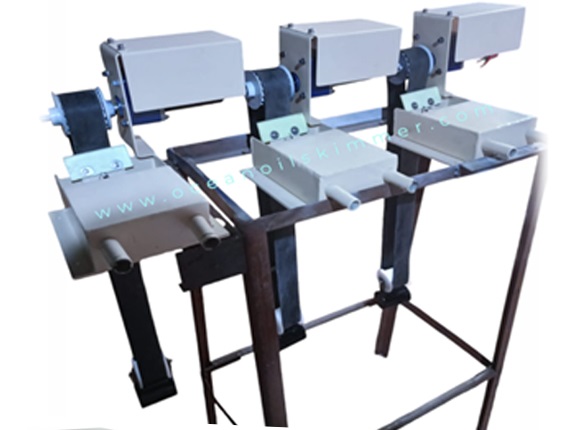
Walk into any Indian automotive component plant and you will spot the same problem near the machining and welding lines: oil floating on top of coolant tanks. It looks small. It is not. Left alone, this floating oil ruins coolant fast, clogs filters, and pushes up your maintenance bill every single month. This is exactly where an oil skimmer for automotive manufacturing earns its place on the shop floor. It is a small machine with a big job — pulling tramp oil off the top of coolant tanks before it causes damage.
Oil skimmer for automotive manufacturing — why coolant tanks need one
Automotive parts plants run coolant round the clock across CNC machines, grinders, and stamping lines. Every machine leaks a little hydraulic or way oil into that coolant. Over weeks, this oil builds up on the surface. It blocks air from reaching the coolant, which lets bacteria grow. That is when you start smelling a sour tank — a clear sign the coolant is already spoiling. An oil skimmer for automotive manufacturing lines removes this floating oil daily, so the coolant stays clean and lasts much longer. Plants that use one regularly often report fewer tank change-outs and less coolant top-up cost.
What tramp oil removal actually saves you
Think about the real cost of dirty coolant. Filters clog faster. Pumps wear out sooner. Tool life drops because the coolant cannot cool or lubricate properly anymore. And disposal cost goes up, since oily coolant counts as hazardous waste in most states. A steady tramp oil removal routine cuts all of this down. It is a low-cost habit that protects a much bigger investment — your machines, your tooling, and your production schedule. If your plant is still changing coolant every few weeks, it is worth checking whether a quick consultation with our team can help you fix that.
Types of skimmers used on coolant tanks
Most automotive plants in India use one of three designs. A belt type oil skimmer uses a moving belt that dips into the tank and lifts oil off the surface — this is the most common choice on larger coolant tanks. A disc type oil skimmer uses a rotating disc instead, which suits tighter spaces near individual CNC machines. Tube skimmers work well on deeper tanks with heavier oil buildup. A good coolant oil skimmer setup usually pairs the right type with your tank size and the amount of oil your machines are generating — a small belt unit is wasted on a large stamping-line tank, and an oversized one is wasted on a small CNC sump.
Fitting it into a CNC-heavy shop floor
Plants running many CNC machines see the fastest payback from this equipment, because CNC machine oil skimming directly protects the fine tolerances these machines are built for. Contaminated coolant leaves residue on parts and can throw off surface finish, which is a real problem in automotive component work where tolerances are tight. Installing a skimmer near each central coolant tank, or on individual sumps for larger machines, keeps the coolant working the way it is supposed to. Many plant heads plan this alongside routine coolant audits, and if you want, you can book a site visit through our booking page to see which setup fits your tank layout.
Not just for coolant tanks
Many automotive plants also run their own effluent treatment setup on-site, and the same skimming principle applies there. A oil skimmer for STP plant use is common where sewage treatment tanks develop an oil layer, and a oil skimmer for ETP plant setup helps effluent treatment tanks meet discharge norms. If your facility handles both machining coolant and effluent treatment, it is worth skimming oil at both stages rather than just one.
Getting started
You do not need to overhaul your whole coolant system to start. Begin with your worst-performing tank — usually the one that smells first or clogs filters fastest — and fit a skimmer there. Track how much oil it pulls out over two weeks and how the coolant smell and clarity change. Most plants see a visible difference within the first month. Working with established oil skimmer manufacturers in India makes this easier, since they can help you size the unit correctly the first time. If you are weighing options for your line, our team can walk you through sizing and installation — just call us at [+91 8601607909]and we will guide you from there.
FAQ
1. What is an oil skimmer used for in automotive manufacturing?
It removes floating tramp oil from coolant tanks used on CNC machines, grinders, and stamping lines, so the coolant stays clean and lasts longer.
2. Why does oil float on top of coolant tanks?
Hydraulic and way oil leaks from machines during operation. Since oil is lighter than water-based coolant, it rises and forms a layer on the surface.
3. What happens if tramp oil is not removed from coolant?
It blocks air from the coolant, lets bacteria grow, causes bad odour, clogs filters, wears out pumps, and shortens tool life.
4. Which type of oil skimmer is best for a coolant tank?
It depends on tank size and space. Belt type oil skimmers suit larger tanks, disc type oil skimmers work well in tighter spaces near CNC machines, and tube skimmers handle deeper tanks with heavier oil buildup.
5. How often should a coolant tank be skimmed?
Most plants run skimmers continuously or daily on active tanks, since oil accumulates as machines run round the clock.
6. Can an oil skimmer be used outside the machine shop floor?
Yes. The same principle applies to STP and ETP tanks, where a belt oil skimmer removes the oil layer to help meet discharge norms.
7. Does using an oil skimmer reduce coolant costs?
Yes. Cleaner coolant needs less frequent top-up and full tank changeovers, which lowers both coolant and disposal costs over time.
8. Is installing an oil skimmer difficult?
No. Most skimmers are simple to mount on the side of a tank and need minimal setup — no major changes to existing equipment.
9. How do I know if my plant needs an oil skimmer?
Signs include a sour smell from coolant tanks, frequent filter clogging, poor surface finish on parts, or coolant that needs replacing too often.
10. Who supplies oil skimmers for automotive manufacturing plants in India?
Established oil skimmer manufacturers in India offer belt, disc, and tube models sized for different tank capacities and industrial applications.