
Oil Water Separator Selection Guide for Industrial Applications
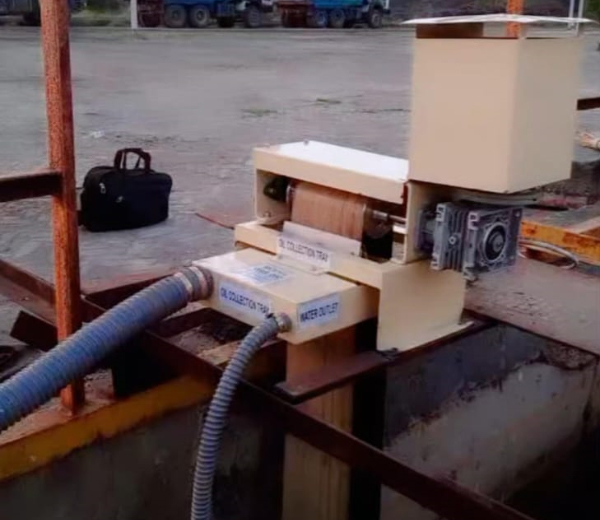
Almost every industrial plant produces some form of oily wastewater — from washdown water in an automotive unit to process effluent in a chemical or engineering plant. Discharging this water without treating it first is not an option, both for compliance reasons and for the sake of the environment. That is why plants rely on a proper oil water separator selection guide before buying equipment, rather than picking whatever unit is cheapest or first available. The right separator protects your downstream systems, keeps you within discharge norms, and saves you from repeat breakdowns.
Oil water separator selection guide — where to start
Before comparing brands or models, you need to know what you are actually separating. Free-floating oil behaves very differently from emulsified oil that is mixed into the water at a molecular level. A good oil water separator selection guide always starts here, because the type of oil in your effluent decides which separator design will actually work. Free oil is relatively easy to remove. Emulsified oil needs a different approach altogether, often involving chemical treatment before separation. If you are unsure which category your plant falls into, a quick consultation with our team can help you test your effluent and confirm it before you invest in equipment.
Common types of industrial oil water separators
Three designs cover most industrial use cases. API-type separators use gravity and a long retention time to let oil rise naturally — these work well for high-volume, free-oil effluent. Plate-type or coalescing separators use tilted plates to speed up oil droplet separation in a smaller footprint, which suits plants with limited space. Compact or portable units are built for smaller flow rates, such as a single washdown bay or a small process line. An industrial oil water separator chosen for the wrong flow rate either underperforms or costs far more than it needs to, so matching the design to your actual volume matters more than picking the most advanced-looking unit.
Key factors in your selection guide
Four things decide the right fit: flow rate, oil droplet size, available space, and your discharge limit. Flow rate tells you the tank or unit capacity you need. Droplet size decides whether a simple gravity design will work or whether you need a coalescing plate separator to catch finer oil particles. Space constraints often push plants toward compact vertical units instead of long horizontal tanks. And your local pollution control board's discharge limit tells you how clean the water needs to be before it leaves your site — this is usually the factor that gets overlooked until an inspection flags it.
Oil water separator vs oil skimmer — which do you need?
These two are often confused, but they solve different problems. A skimmer removes floating oil from a tank that is otherwise doing its job, such as a coolant sump on a CNC machine — we covered this in detail in our guide on oil skimmer for automotive manufacturing plants. A separator, on the other hand, treats effluent before it is discharged or reused. In practice, many plants use both — a skimmer on the machine coolant side, and a separator on the effluent side. If your plant already runs an oil skimmer for STP plant or an oil skimmer for ETP plant setup, a separator upstream can reduce the load reaching those tanks in the first place. And if your concern is specifically CNC coolant, our piece on how to remove tramp oil from CNC coolant tanks covers that side separately.
Choosing between belt, disc, and separator-based removal
If your oil load is light and mostly floats freely, a belt type oil skimmer or a disc type oil skimmer may be enough on its own, especially on a single tank. But once you are dealing with continuous effluent flow, mixed oil types, or a discharge limit to meet, a dedicated separator becomes necessary. Working with experienced oil skimmer manufacturers in India at this stage helps, since they can usually advise on whether your site needs a skimmer, a separator, or both together. Many of the same suppliers, such as established oil water separator manufacturers in India, can also size and install the separator itself once you know which type fits your effluent.
Getting started
Start by testing a sample of your effluent to check oil content and droplet type. This single step decides most of your equipment choice. From there, match the design to your flow rate and available space, and confirm it will meet your local discharge norms with some margin to spare — not exactly at the limit. If you want help running through this oil water separator selection guide for your specific site, you can call us at [+91 8601607909] and we will walk you through it.
FAQ
1. What is an oil water separator used for?
It removes oil from industrial wastewater before the water is discharged or reused, helping plants meet pollution control norms.
2. What is the difference between an oil water separator and an oil skimmer?
A skimmer removes floating oil from a working tank, such as a coolant sump. A separator treats effluent before discharge, usually handling higher flow and mixed oil types.
3. What types of oil water separators are available?
The three common types are API (gravity) separators, plate or coalescing separators, and compact/portable units for smaller flow rates.
4. How do I know which separator size I need?
Your flow rate, oil droplet size, and available space decide the size and design — a sample test of your effluent is the best starting point.
5. Can a separator remove emulsified oil?
Not on its own in most cases. Emulsified oil usually needs a chemical breaking step before a separator can remove it effectively.
6. Do I need both a skimmer and a separator?
Many plants use both — a skimmer on machine coolant tanks, and a separator on the effluent line before discharge.
7. What discharge limit should I design for?
Always design with some margin below your local pollution control board's limit, not exactly at it, to allow for normal fluctuation.
8. How much space does an oil water separator need?
Plate-type and compact units need far less floor space than gravity-based API separators, making them suitable for tighter plant layouts.
9. Is an oil water separator a one-time purchase or does it need maintenance?
It needs regular maintenance — periodic cleaning and oil removal — to keep performing at its rated capacity.
10. Who supplies industrial oil water separators in India?
Established oil skimmer manufacturers in India that also work with effluent treatment can usually recommend and supply separators sized for your specific plant.